
The Art of Friction
Why we debate your ideas before we execute them to ensure bulletproof results.
Tuesday, February 4, 2025
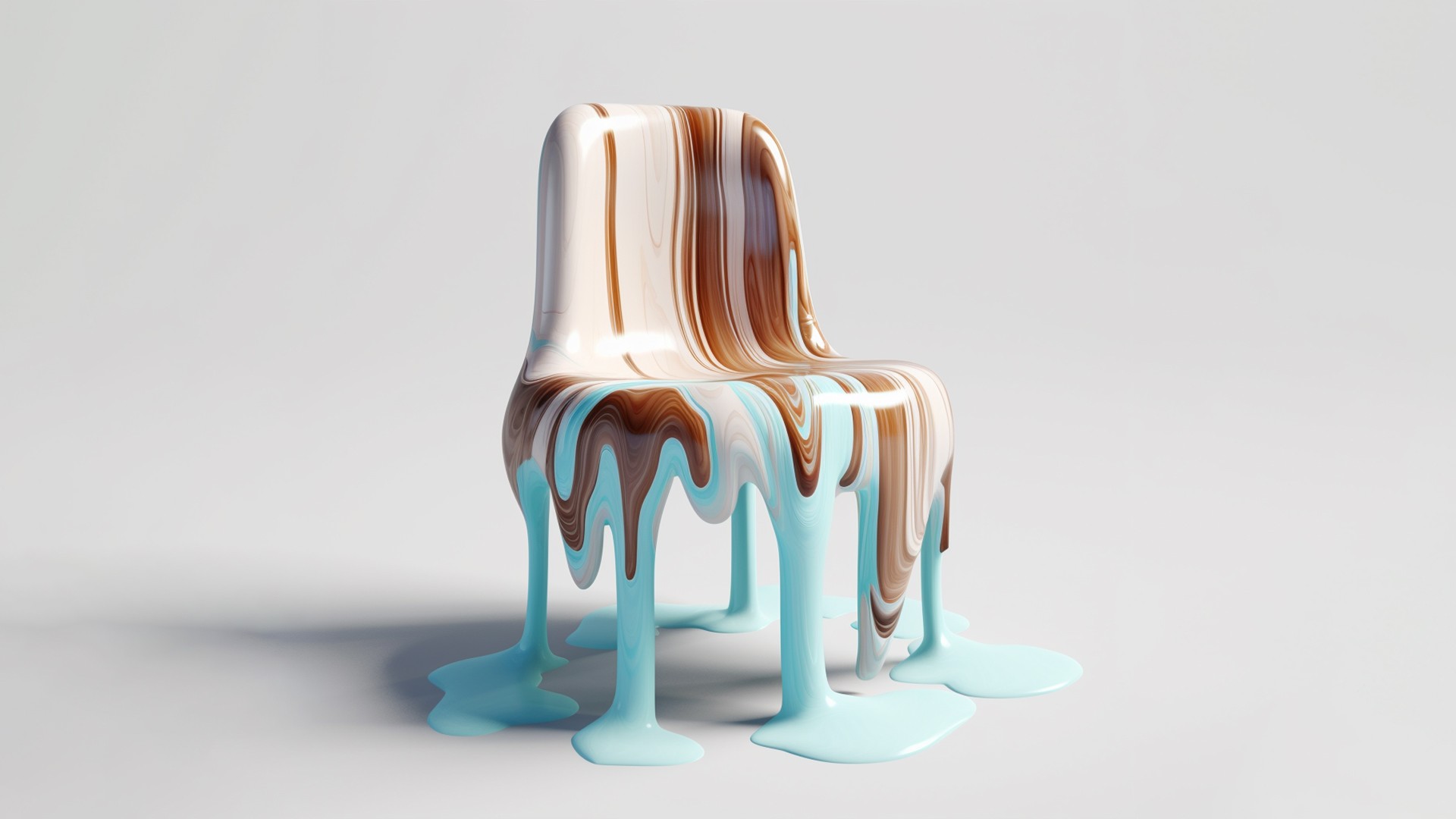
The Art of Friction
Written by
Innovation Director

The intersection of AI and design has moved far beyond basic automation. Today's AI tools aren't just assisting designers—they're becoming active collaborators in the creative process. This evolution is reshaping how we approach design challenges and opening new possibilities for innovation and efficiency.
Redefining Creative Partnership
AI has transcended its role as a simple automation tool. Modern AI design assistants can analyze user behavior, suggest design improvements, and even predict user preferences. This capability allows designers to focus on strategic thinking and creative problem-solving while AI handles time-consuming technical tasks.
The most significant impact comes from AI's ability to process and analyze vast amounts of design data. This enables evidence-based design decisions, helping teams create more effective solutions based on real user behavior and preferences rather than assumptions.
Practical Applications
Today's design teams are using AI in increasingly sophisticated ways. From generating initial design variations to optimizing layouts for different devices, AI tools are becoming indispensable in the modern design workflow.
Best Practices
Combine AI insights with human creativity
Validate AI suggestions against user needs
Maintain ethical design principles
Regular training with new data
Monitor AI bias in design decisions
The future of AI in design isn't about replacing human creativity—it's about enhancing it. By embracing AI as a collaborative tool, designers can achieve better results faster while maintaining the human touch that makes great design resonate.
Key Takeaways
Reduces repetitive tasks by 75%
Enhances design decision-making
Enables personalized user experiences
Accelerates prototyping process
Improves design consistency
More articles
Wednesday, February 26, 2025
Written by
debatemarketers
The Subscription Shift
Why smart brands are trading hourly rates for predictable, scalable growth.
Digital experiences are becoming increasingly nuanced, with micro-interactions playing a crucial role in how users engage with interfaces. These tiny, purposeful animations do more than just delight—they provide essential feedback, guide user behavior, and create memorable experiences that keep users coming back.

Tuesday, February 25, 2025
Written by
Bianca Marconi
Creativity and Consistency
How modern design systems are reshaping brand experiences
In today's fast-paced digital landscape, design systems have become the backbone of successful product development. They're not just a trend—they're a fundamental shift in how we approach digital design and development. As organizations scale their digital presence, the need for systematic, efficient, and consistent design practices has never been more critical.
Tuesday, January 14, 2025
Written by
Tomasso Fiorelli
Silence is a Liability
Navigating the digital noise to build a reputation that doesn't just speak, but leads.
Typography has evolved from a mere vehicle for text to a powerful tool for brand expression and user experience. In 2025, the role of typography in digital design goes beyond readability—it's about creating emotional connections and enhancing digital interactions through thoughtful type choices.

Wednesday, January 1, 2025
Written by
Clara Söderberg
The Automation Paradox
Finding the precise moment where robotic efficiency must yield to human empathy.
As the digital landscape grows, so does its environmental impact. Sustainable design isn't just about green aesthetics—it's about making conscious decisions that reduce digital carbon footprints while maintaining exceptional user experiences. This shift towards eco-friendly design is becoming a crucial consideration for responsible digital creation.

Thursday, December 19, 2024
Written by
Valentina De Angelis
The New Wave of Design Animation
How motion design is transforming user interfaces in 2025
Motion in digital design has evolved far beyond simple transitions. Today's animation serves as a powerful tool for storytelling, user guidance, and brand expression. As devices become more powerful and users more sophisticated, thoughtful animation has become crucial for creating engaging digital experiences.
The Art of Friction
Why we debate your ideas before we execute them to ensure bulletproof results.
Tuesday, February 4, 2025
The Art of Friction
Written by
Innovation Director
The intersection of AI and design has moved far beyond basic automation. Today's AI tools aren't just assisting designers—they're becoming active collaborators in the creative process. This evolution is reshaping how we approach design challenges and opening new possibilities for innovation and efficiency.
Redefining Creative Partnership
AI has transcended its role as a simple automation tool. Modern AI design assistants can analyze user behavior, suggest design improvements, and even predict user preferences. This capability allows designers to focus on strategic thinking and creative problem-solving while AI handles time-consuming technical tasks.
The most significant impact comes from AI's ability to process and analyze vast amounts of design data. This enables evidence-based design decisions, helping teams create more effective solutions based on real user behavior and preferences rather than assumptions.
Practical Applications
Today's design teams are using AI in increasingly sophisticated ways. From generating initial design variations to optimizing layouts for different devices, AI tools are becoming indispensable in the modern design workflow.
Best Practices
Combine AI insights with human creativity
Validate AI suggestions against user needs
Maintain ethical design principles
Regular training with new data
Monitor AI bias in design decisions
The future of AI in design isn't about replacing human creativity—it's about enhancing it. By embracing AI as a collaborative tool, designers can achieve better results faster while maintaining the human touch that makes great design resonate.
Key Takeaways
Reduces repetitive tasks by 75%
Enhances design decision-making
Enables personalized user experiences
Accelerates prototyping process
Improves design consistency
More articles
The Subscription Shift
Why smart brands are trading hourly rates for predictable, scalable growth.
Creativity and Consistency
How modern design systems are reshaping brand experiences
Silence is a Liability
Navigating the digital noise to build a reputation that doesn't just speak, but leads.
The Automation Paradox
Finding the precise moment where robotic efficiency must yield to human empathy.
The New Wave of Design Animation
How motion design is transforming user interfaces in 2025
The Art of Friction
Why we debate your ideas before we execute them to ensure bulletproof results.
Tuesday, February 4, 2025
The Art of Friction
Written by
Innovation Director
The intersection of AI and design has moved far beyond basic automation. Today's AI tools aren't just assisting designers—they're becoming active collaborators in the creative process. This evolution is reshaping how we approach design challenges and opening new possibilities for innovation and efficiency.
Redefining Creative Partnership
AI has transcended its role as a simple automation tool. Modern AI design assistants can analyze user behavior, suggest design improvements, and even predict user preferences. This capability allows designers to focus on strategic thinking and creative problem-solving while AI handles time-consuming technical tasks.
The most significant impact comes from AI's ability to process and analyze vast amounts of design data. This enables evidence-based design decisions, helping teams create more effective solutions based on real user behavior and preferences rather than assumptions.
Practical Applications
Today's design teams are using AI in increasingly sophisticated ways. From generating initial design variations to optimizing layouts for different devices, AI tools are becoming indispensable in the modern design workflow.
Best Practices
Combine AI insights with human creativity
Validate AI suggestions against user needs
Maintain ethical design principles
Regular training with new data
Monitor AI bias in design decisions
The future of AI in design isn't about replacing human creativity—it's about enhancing it. By embracing AI as a collaborative tool, designers can achieve better results faster while maintaining the human touch that makes great design resonate.
Key Takeaways
Reduces repetitive tasks by 75%
Enhances design decision-making
Enables personalized user experiences
Accelerates prototyping process
Improves design consistency
More articles
The Subscription Shift
Why smart brands are trading hourly rates for predictable, scalable growth.
Creativity and Consistency
How modern design systems are reshaping brand experiences
Silence is a Liability
Navigating the digital noise to build a reputation that doesn't just speak, but leads.
The Automation Paradox
Finding the precise moment where robotic efficiency must yield to human empathy.
The New Wave of Design Animation
How motion design is transforming user interfaces in 2025

We Transform Brands.
Your Growth Starts Here.
Start your growth journey with a one-on-one strategy consultation led by our senior team.
Trusted by 300+ brands across education, retail, lifestyle, technology, and enterprise sectors.











We Transform Brands.
Your Growth Starts Here.
Start your growth journey with a one-on-one strategy consultation led by our senior team.
Trusted by 300+ brands across education, retail, lifestyle, technology, and enterprise sectors.
We Transform Brands.
Your Growth Starts Here.
Start your growth journey with a one-on-one strategy consultation led by our senior team.
Trusted by 300+ brands across education, retail, lifestyle, technology, and enterprise sectors.