Marketers
A shared team for strategy, copy, design and campaigns, every month.
Website developmentCapability pages, useful proof and a direct path to an enquiry.
BrandingPositioning, identity and sales material that explain why you're worth choosing.
SEO and AI searchGet found on Google and in AI answers by the people who buy what you make.
Performance marketingGoogle, LinkedIn and Meta ads measured on qualified enquiries.
AI automation & CRMEvery enquiry gets an owner and a next step, with human review.
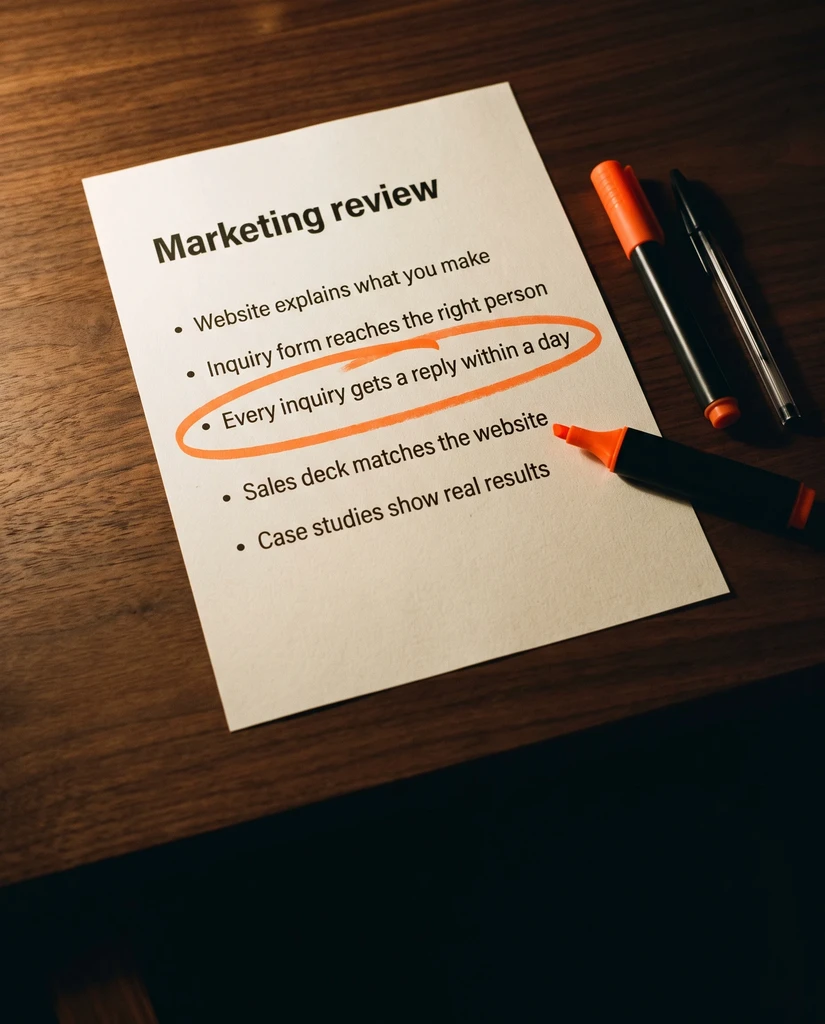 Two minutes, no email neededFind the one thing to fix firstTake the quiz→
Google is Ghosting You: Why My Website Isn't Ranking in 2026
Discover the most common reasons Google ignores your business online — and the practical SEO fixes to improve visibility, ranking and leads.

Let’s be blunt: you can drop a fortune on a gorgeous web design, but if nobody ever lands on it, you’ve basically bought a very expensive digital paperweight.
At Debate Marketers, we watch this tragedy play out every week. Companies blow their entire budget on "aesthetics" and "vibes," only to wake up six months later wondering why my website isn't ranking while their competitors are printing cash. It’s not "bad luck." It’s a performance failure. If you’re buried on page 10, Google isn't just ignoring you—it’s actively filtering you out of the conversation.
Here is the unfiltered debate on why your brand is currently a digital ghost.
1. Your Tech Stack is "Zombie Code"
Most "pretty" sites are absolute train wrecks under the hood. If you’re running some bloated, pre-made theme with 40 different plugins fighting for air, your site is slow. Like, "1998 dial-up" slow.
Google’s crawlers have zero patience for a messy backend. If they have to hack through unoptimized "Zombie Code" just to find your main heading, they’ll just quit and go elsewhere. In 2026, speed isn't a "bonus"—it’s the cover charge. If your page doesn't snap to life in under two seconds, you’ve lost the lead before the first pixel even renders.
2. The "Echo Chamber" Content Trap
Everyone and their mother is using AI to churn out garbage blogs lately. The result? A digital sea of absolute sameness. Google’s algorithms are now incredibly sharp at sniffing out lukewarm, generic fluff that adds nothing new to the room.
If a bot could have spit out your "About Us" page in thirty seconds, why would Google ever rank it? You need some actual Debate in your copy. Share a spicy take. Leak a case study. Use the kind of data that only a human in the trenches would actually know. Google rewards authority, not regurgitated Wikipedia entries.
3. Niche Anarchy (The "Generalist" Curse)
If Google can’t tell exactly what you’re a master of, it won’t rank you for a damn thing. We see it constantly: local businesses trying to dominate twenty unrelated services at once.
The Reality Check: You have to own a specific "topic cluster" before you earn the right to expand your territory. Stop trying to be everything to everyone. Own your corner. Google favors the specialist over the generalist every single time.
4. The "Thumb Test" Failure
Look at your site on a phone. Right now. If the buttons are too small for a human thumb, or if pop-ups are blocking the entire screen, you’re done.
Google uses mobile-first indexing. That’s basically just a polite way of saying: "If your mobile version is a headache, we’re burying your desktop rankings too." No exceptions. If you haven't optimized for the 6-inch screen, you aren't even in the game.
5. The Broken Handshake (Search Intent Fail)
SEO is a promise. When a user clicks your link, they expect a specific solution to a specific headache. If you target a "how-to" keyword but your page is just a high-pressure sales pitch, they’re going to bounce in three seconds.
Google watches that "pogo-sticking" behavior like a hawk. Every time someone hits the "back" button, your authority takes a hit. You aren't just losing a customer; you're telling the algorithm that your site is irrelevant.
The Final Verdict
The debate is officially over: SEO isn't a "set it and forget it" checkbox. It’s an ongoing fight for the right to be seen.
You can’t outsmart an algorithm that processes billions of searches a day with cheap tricks. To rank in 2026, you have to be the fastest, most relevant, and most opinionated voice in the room. If you’re just checking boxes instead of solving problems, you’ll stay invisible. Period.
Is your website a growth engine, or just a quiet roadblock? If you’re tired of being a ghost, stop polishing a site that doesn’t perform.
Book a Strategy Audit with the Debate Marketers team. Let’s figure out what’s actually broken.
Also read - Traditional SEO is evolving into Answer Engine Optimization (AEO).
We plan and run admissions campaigns, websites, SEO and AI search, ads and CRM follow-up for schools, manufacturers and growing brands, from teams in New Delhi and Malta.
Published 2 February 2026. Updated 3 October 2026.
More articles

How to Get Your Business Recommended by ChatGPT and AI Search
How ChatGPT, Gemini and Google’s AI answers choose which businesses to recommend, with a 10-step checklist, crawler settings and a 30-day plan.

How to Increase School Admissions: A 16-Week Plan for 2027–28
A week-by-week plan to fill seats for 2027–28: reply to enquiries faster, fix your admissions page, collect recent reviews, run better visits and follow up.
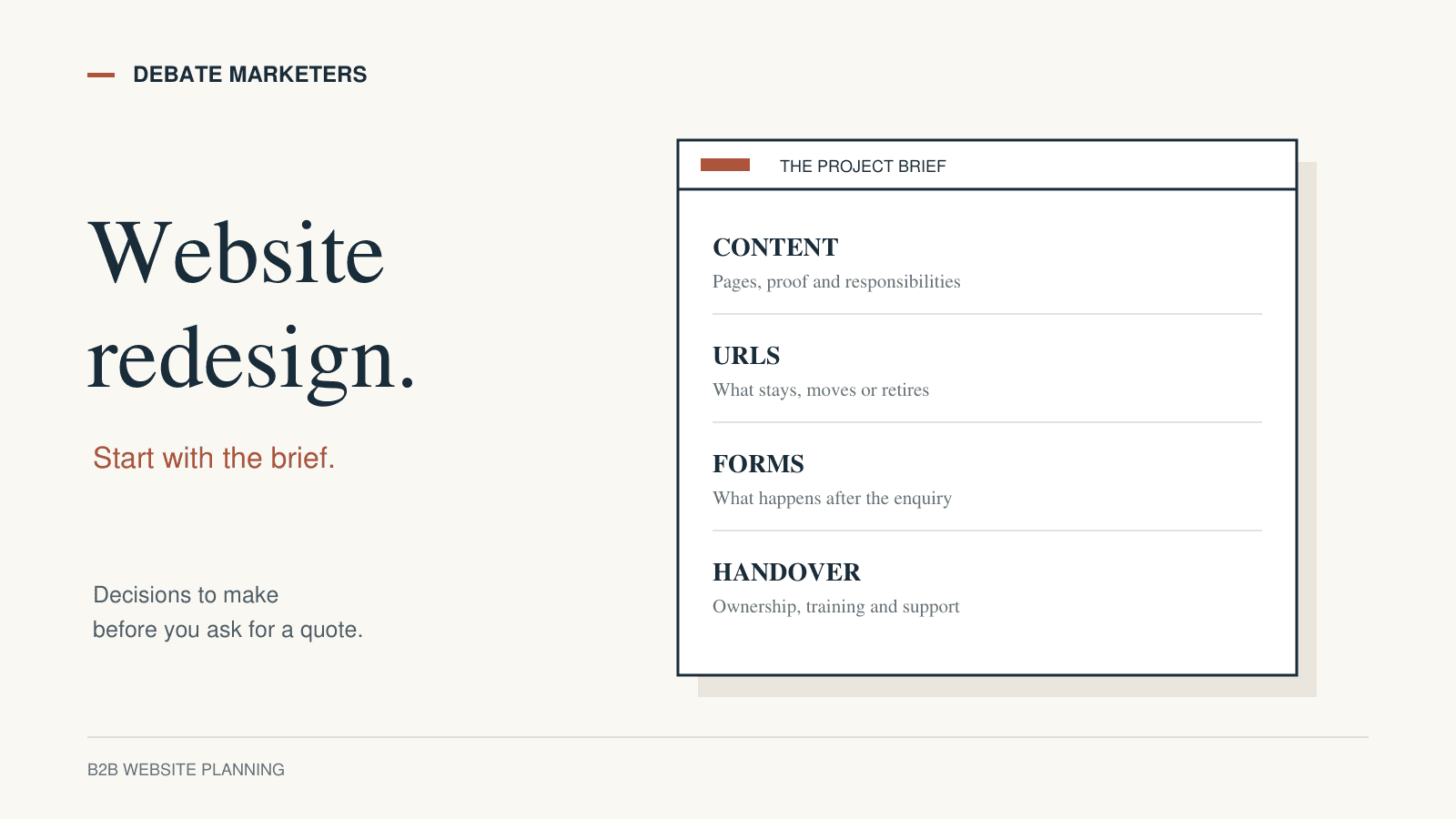
Website Development Quotation: How to Compare First-Year Cost and Ownership
Compare website development quotations in India using a first-year cost worksheet covering the build, hosting, licences, content, support and handover.
Google is Ghosting You: Why My Website Isn't Ranking in 2026
Discover the most common reasons Google ignores your business online — and the practical SEO fixes to improve visibility, ranking and leads.
Let’s be blunt: you can drop a fortune on a gorgeous web design, but if nobody ever lands on it, you’ve basically bought a very expensive digital paperweight.
At Debate Marketers, we watch this tragedy play out every week. Companies blow their entire budget on "aesthetics" and "vibes," only to wake up six months later wondering why my website isn't ranking while their competitors are printing cash. It’s not "bad luck." It’s a performance failure. If you’re buried on page 10, Google isn't just ignoring you—it’s actively filtering you out of the conversation.
Here is the unfiltered debate on why your brand is currently a digital ghost.
1. Your Tech Stack is "Zombie Code"
Most "pretty" sites are absolute train wrecks under the hood. If you’re running some bloated, pre-made theme with 40 different plugins fighting for air, your site is slow. Like, "1998 dial-up" slow.
Google’s crawlers have zero patience for a messy backend. If they have to hack through unoptimized "Zombie Code" just to find your main heading, they’ll just quit and go elsewhere. In 2026, speed isn't a "bonus"—it’s the cover charge. If your page doesn't snap to life in under two seconds, you’ve lost the lead before the first pixel even renders.
2. The "Echo Chamber" Content Trap
Everyone and their mother is using AI to churn out garbage blogs lately. The result? A digital sea of absolute sameness. Google’s algorithms are now incredibly sharp at sniffing out lukewarm, generic fluff that adds nothing new to the room.
If a bot could have spit out your "About Us" page in thirty seconds, why would Google ever rank it? You need some actual Debate in your copy. Share a spicy take. Leak a case study. Use the kind of data that only a human in the trenches would actually know. Google rewards authority, not regurgitated Wikipedia entries.
3. Niche Anarchy (The "Generalist" Curse)
If Google can’t tell exactly what you’re a master of, it won’t rank you for a damn thing. We see it constantly: local businesses trying to dominate twenty unrelated services at once.
The Reality Check: You have to own a specific "topic cluster" before you earn the right to expand your territory. Stop trying to be everything to everyone. Own your corner. Google favors the specialist over the generalist every single time.
4. The "Thumb Test" Failure
Look at your site on a phone. Right now. If the buttons are too small for a human thumb, or if pop-ups are blocking the entire screen, you’re done.
Google uses mobile-first indexing. That’s basically just a polite way of saying: "If your mobile version is a headache, we’re burying your desktop rankings too." No exceptions. If you haven't optimized for the 6-inch screen, you aren't even in the game.
5. The Broken Handshake (Search Intent Fail)
SEO is a promise. When a user clicks your link, they expect a specific solution to a specific headache. If you target a "how-to" keyword but your page is just a high-pressure sales pitch, they’re going to bounce in three seconds.
Google watches that "pogo-sticking" behavior like a hawk. Every time someone hits the "back" button, your authority takes a hit. You aren't just losing a customer; you're telling the algorithm that your site is irrelevant.
The Final Verdict
The debate is officially over: SEO isn't a "set it and forget it" checkbox. It’s an ongoing fight for the right to be seen.
You can’t outsmart an algorithm that processes billions of searches a day with cheap tricks. To rank in 2026, you have to be the fastest, most relevant, and most opinionated voice in the room. If you’re just checking boxes instead of solving problems, you’ll stay invisible. Period.
Is your website a growth engine, or just a quiet roadblock? If you’re tired of being a ghost, stop polishing a site that doesn’t perform.
Book a Strategy Audit with the Debate Marketers team. Let’s figure out what’s actually broken.
Also read - Traditional SEO is evolving into Answer Engine Optimization (AEO).
We plan and run admissions campaigns, websites, SEO and AI search, ads and CRM follow-up for schools, manufacturers and growing brands, from teams in New Delhi and Malta.
Published 2 February 2026. Updated 3 October 2026.
More articles
How to Get Your Business Recommended by ChatGPT and AI Search
How ChatGPT, Gemini and Google’s AI answers choose which businesses to recommend, with a 10-step checklist, crawler settings and a 30-day plan.
How to Increase School Admissions: A 16-Week Plan for 2027–28
A week-by-week plan to fill seats for 2027–28: reply to enquiries faster, fix your admissions page, collect recent reviews, run better visits and follow up.
Website Development Quotation: How to Compare First-Year Cost and Ownership
Compare website development quotations in India using a first-year cost worksheet covering the build, hosting, licences, content, support and handover.
Google is Ghosting You: Why My Website Isn't Ranking in 2026
Discover the most common reasons Google ignores your business online — and the practical SEO fixes to improve visibility, ranking and leads.
Let’s be blunt: you can drop a fortune on a gorgeous web design, but if nobody ever lands on it, you’ve basically bought a very expensive digital paperweight.
At Debate Marketers, we watch this tragedy play out every week. Companies blow their entire budget on "aesthetics" and "vibes," only to wake up six months later wondering why my website isn't ranking while their competitors are printing cash. It’s not "bad luck." It’s a performance failure. If you’re buried on page 10, Google isn't just ignoring you—it’s actively filtering you out of the conversation.
Here is the unfiltered debate on why your brand is currently a digital ghost.
1. Your Tech Stack is "Zombie Code"
Most "pretty" sites are absolute train wrecks under the hood. If you’re running some bloated, pre-made theme with 40 different plugins fighting for air, your site is slow. Like, "1998 dial-up" slow.
Google’s crawlers have zero patience for a messy backend. If they have to hack through unoptimized "Zombie Code" just to find your main heading, they’ll just quit and go elsewhere. In 2026, speed isn't a "bonus"—it’s the cover charge. If your page doesn't snap to life in under two seconds, you’ve lost the lead before the first pixel even renders.
2. The "Echo Chamber" Content Trap
Everyone and their mother is using AI to churn out garbage blogs lately. The result? A digital sea of absolute sameness. Google’s algorithms are now incredibly sharp at sniffing out lukewarm, generic fluff that adds nothing new to the room.
If a bot could have spit out your "About Us" page in thirty seconds, why would Google ever rank it? You need some actual Debate in your copy. Share a spicy take. Leak a case study. Use the kind of data that only a human in the trenches would actually know. Google rewards authority, not regurgitated Wikipedia entries.
3. Niche Anarchy (The "Generalist" Curse)
If Google can’t tell exactly what you’re a master of, it won’t rank you for a damn thing. We see it constantly: local businesses trying to dominate twenty unrelated services at once.
The Reality Check: You have to own a specific "topic cluster" before you earn the right to expand your territory. Stop trying to be everything to everyone. Own your corner. Google favors the specialist over the generalist every single time.
4. The "Thumb Test" Failure
Look at your site on a phone. Right now. If the buttons are too small for a human thumb, or if pop-ups are blocking the entire screen, you’re done.
Google uses mobile-first indexing. That’s basically just a polite way of saying: "If your mobile version is a headache, we’re burying your desktop rankings too." No exceptions. If you haven't optimized for the 6-inch screen, you aren't even in the game.
5. The Broken Handshake (Search Intent Fail)
SEO is a promise. When a user clicks your link, they expect a specific solution to a specific headache. If you target a "how-to" keyword but your page is just a high-pressure sales pitch, they’re going to bounce in three seconds.
Google watches that "pogo-sticking" behavior like a hawk. Every time someone hits the "back" button, your authority takes a hit. You aren't just losing a customer; you're telling the algorithm that your site is irrelevant.
The Final Verdict
The debate is officially over: SEO isn't a "set it and forget it" checkbox. It’s an ongoing fight for the right to be seen.
You can’t outsmart an algorithm that processes billions of searches a day with cheap tricks. To rank in 2026, you have to be the fastest, most relevant, and most opinionated voice in the room. If you’re just checking boxes instead of solving problems, you’ll stay invisible. Period.
Is your website a growth engine, or just a quiet roadblock? If you’re tired of being a ghost, stop polishing a site that doesn’t perform.
Book a Strategy Audit with the Debate Marketers team. Let’s figure out what’s actually broken.
Also read - Traditional SEO is evolving into Answer Engine Optimization (AEO).
We plan and run admissions campaigns, websites, SEO and AI search, ads and CRM follow-up for schools, manufacturers and growing brands, from teams in New Delhi and Malta.
Published 2 February 2026. Updated 3 October 2026.
More articles
How to Get Your Business Recommended by ChatGPT and AI Search
How ChatGPT, Gemini and Google’s AI answers choose which businesses to recommend, with a 10-step checklist, crawler settings and a 30-day plan.
How to Increase School Admissions: A 16-Week Plan for 2027–28
A week-by-week plan to fill seats for 2027–28: reply to enquiries faster, fix your admissions page, collect recent reviews, run better visits and follow up.
Website Development Quotation: How to Compare First-Year Cost and Ownership
Compare website development quotations in India using a first-year cost worksheet covering the build, hosting, licences, content, support and handover.
Bring your first priority.
Bring one problem: a brand that's drifted, a website that doesn't sell or enquiries going nowhere. We'll spend 30 minutes finding the first fix.
Projects & shared-team retainers
Bring your first priority.
Bring one problem: a brand that's drifted, a website that doesn't sell or enquiries going nowhere. We'll spend 30 minutes finding the first fix.
Projects & shared-team retainers